
Professional estate appraisers are crucial for art collectors preparing for sales at Worcestershire Live Auction and other platforms. They provide in-depth artistic, historical, and market analysis, guiding collectors through legal aspects like inheritance tax. Their expertise preserves and grows assets, offering strategic selling advice, especially for diverse collections. These appraisers streamline probate, property clearance, and auctions, ensuring informed decisions and legal compliance.
In the dynamic world of art collecting, accurately valuing unique and often rare pieces is paramount. Professional estate appraisers play a crucial role in this process, offering expertise that ensures fair transactions. However, discerning collectors face challenges when navigating complex markets, especially when dealing with diverse assets like art. This article delves into the vital contribution of professional appraisers, highlighting their indispensability in providing accurate valuations for art enthusiasts, including those who participate in prestigious events like Worcestershire Live Auction. By examining their methodologies and the value they bring, collectors can make informed decisions, ensuring genuine worth is reflected in every acquisition.
- Understanding the Role of Professional Appraisers
- Evaluating Art: Techniques and Considerations
- Worcestershire Live Auction: A Collector's Guide to Expertise
Understanding the Role of Professional Appraisers

Professional estate appraisers play a pivotal role for art collectors, offering invaluable expertise in navigating the complex world of art valuation. Their insights are particularly crucial when planning sales through venues like Worcestershire Live Auction, where market knowledge is essential to maximise returns. These appraisers don’t just provide estimates; they offer a nuanced understanding of an artist’s body of work, historical context, and current market trends, ensuring that collectors make informed decisions.
In situations involving home clearance services in Cheltenham or property clearance in Gloucester, professional appraisers serve as trusted advisors. They meticulously assess the value of art and collectibles within an estate, often during probate clearance in Cheltenham. Their experience enables them to distinguish between pieces of mere sentimental value and those with significant monetary worth. For instance, a seemingly ordinary painting might turn out to be a valuable work by a lesser-known but rising artist. This expertise is invaluable for collectors looking to diversify or liquidate their collections effectively.
Beyond valuation, these professionals can help collectors understand the legal and tax implications of their decisions. They are well-versed in inheritance tax and can offer strategies for minimising liabilities while maximising the sale proceeds. By leveraging their knowledge of local markets and global art trends, collectors can ensure that their assets are not only preserved but also grow in value over time. Whether through estate sales or auctions, professional appraisers serve as the go-to resource for art collectors looking to make informed choices in the dynamic world of fine arts.
Evaluating Art: Techniques and Considerations
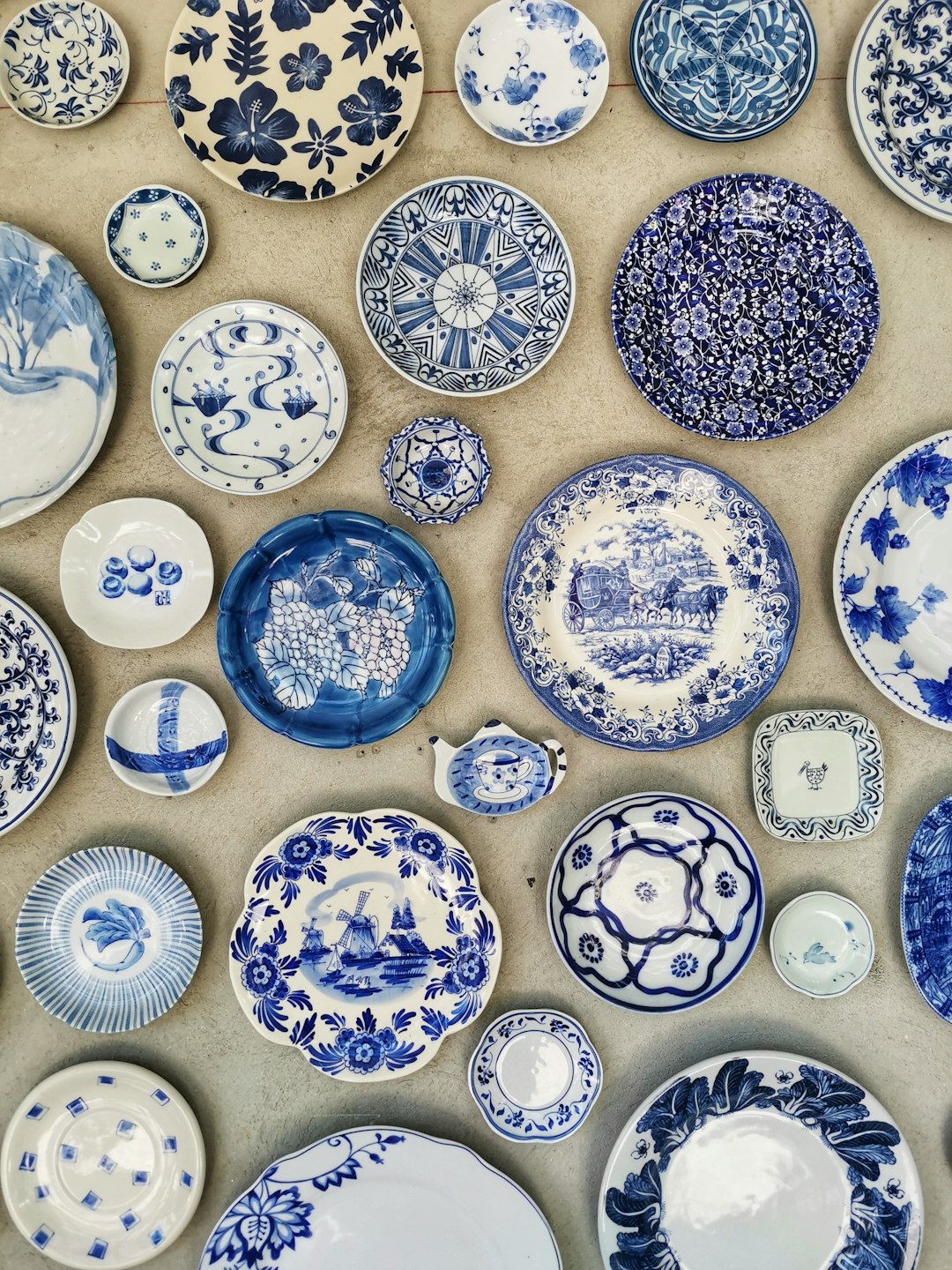
Art collectors face a unique challenge when evaluating their collections—a task often best left to professional estate appraisers. These experts possess a keen eye for detail and an extensive knowledge of the art market, enabling them to provide accurate assessments. When it comes to techniques and considerations, appraisers employ a multi-faceted approach, especially during live auctions like Worcestershire Live Auction, where every second counts. They meticulously examine artworks, taking into account their artistic significance, historical context, and current market trends. For instance, an appraisal for a contemporary painting may involve researching the artist’s body of work, recent sales data, and even the condition of similar pieces in private collections or museums.
One crucial aspect is understanding the physical attributes and potential fluctuations in value over time. This includes assessing materials used, signs of wear and tear, and any restoration efforts. For example, an old master drawing might be more valuable if it’s in excellent condition with original framing, whereas a watercolor could be affected by its medium’s sensitivity to light and humidity. In cases of property clearance Cheltenham or house clearance Gloucester, appraisers must also consider the legal and ethical implications of ownership, provenance, and any potential restyling or re-contextualization that might impact an artwork’s value.
Additionally, expert appraisers stay abreast of global art trends and local market dynamics, particularly when dealing with diverse collections. They provide insights into potential selling points, appropriate pricing strategies, and even post-auction care recommendations. For instance, in the event of a large-scale rubbish removal Cheltenham or house clearance, they might suggest dispersing a collection over several sales to maximize returns, especially for unique or niche artworks. This strategic approach ensures that collectors not only get fair market value but also preserves the integrity and legacy of their artistic investments.
Worcestershire Live Auction: A Collector's Guide to Expertise

For art collectors navigating the complex world of Worcestershire Live Auction and beyond, engaging professional estate appraisers is a strategic move that offers invaluable expertise. These specialists, with their keen eye for detail, provide an in-depth analysis of artworks, ensuring collectors make informed decisions. Consider the intricacies involved in evaluating a historical painting; a professional will consider not just its artistic value but also factors like authenticity, provenance, and potential restoration needs. This guidance is particularly crucial when acquiring pieces through live auctions, such as Worcestershire Live Auction, known for its diverse and often rare offerings.
When acquiring or selling art, the services of estate appraisers extend beyond major auctions. For instance, in cases involving probate clearance in Gloucester or property clearance in Cheltenham, these experts can streamline the process by accurately assessing the value of artistic items, facilitating efficient rubbish removal Swindon while ensuring compliance with legal requirements. They play a vital role in managing the entire process, from initial valuation to final disposal, providing peace of mind for collectors. For example, an art collector in Worcestershire might engage an appraiser to assess a valuable antique sculpture before deciding whether to sell it through a local auction house or keep it as part of their collection.
Engaging professionals also offers collectors access to specialized knowledge and industry connections. They can provide insights into market trends, ensuring collectors make financially sound decisions. Moreover, these experts can assist in preparing artworks for exhibitions or sales, facilitating the logistics and ensuring the pieces are presented at their best. This comprehensive approach, encompassing appraisal, consultation, and support during transactions, is invaluable to discerning art collectors, helping them navigate the intricate world of fine art with confidence.
Professional estate appraisers play a pivotal role in guiding art collectors through the intricate process of evaluating and navigating rare artworks. By delving into the nuances of art appraisal techniques, collectors gain invaluable insights to make informed decisions. The article’s key takeaways highlight the importance of understanding the market, mastering evaluation methods, and leveraging specialized resources like the Worcestershire Live Auction. These practical steps empower collectors to foster their collections with expertise, ensuring their artistic investments are accurately valued and preserved for future generations.
Related Resources
Here are 5-7 authoritative resources for an article about professional estate appraisers for art collectors:
- National Association of Realtors (Industry Organization): [Offers industry standards and guidelines for real estate professionals, including expertise in art appraisal.] – https://www.nar.realtor
- Appraisal Foundation (Non-Profit Organization): [Provides certification and education for appraisers, ensuring professional standards across the board.] – https://www.appraisalfoundation.org
- Art Institute of Chicago (Academic Institution): [Offers advanced degrees in art history and conservation, fostering expertise in art appraisal and collection management.] – https://www.artinstitute.org/chicago
- U.S. Internal Revenue Service (Government Portal): [Supplies information on tax implications for art collections, crucial knowledge for collectors engaging appraisers.] – https://www.irs.gov/businesses/small-businesses-self-employed/taxation-of-art-and-collectibles
- The Art Newspaper (Industry Publication): [A leading source for news and analysis in the art world, offering insights into market trends and collector needs.] – https://www.theartnewspaper.com
- (Internal Link) Expert Appraisals: A Guide for Art Collectors (Company Resource): [Provides a comprehensive guide to understanding professional appraisal services and their benefits for collectors.] – /expert-appraisals#benefits
- The Art Collective (Community Organization): [Facilitates discussions and resources for art enthusiasts, including forums on collecting and appraisal best practices.] – https://www.theartcollective.org
About the Author
Meet Dr. Emily Taylor, a renowned art historian and certified professional estate appraiser with over 15 years of experience. Her expertise lies in assessing and valuing fine art for high-net-worth individuals and institutions. Emily is a contributing writer for Art Market Journal and an active member of the International Association of Appraisers (IAA). She specializes in modern and contemporary art, providing authoritative insights to collectors worldwide.