
Professional estate appraisers are indispensable for art collectors and auction houses like Worcestershire Live Auction. They provide unbiased valuations, expert analyses, and comprehensive reports on artworks, guiding acquisitions, legal documents, tax regulations, and insurance claims. Their expertise is crucial for high-value or unique pieces, ensuring fair market prices and peace of mind. Appraisers at Worcestershire Live Auction help set accurate lot prices, fostering transparency and competitive bidding. Choosing a professional appraiser involves considering art history expertise, authentication skills, understanding market context, proven track record, specialized areas of interest, industry standards adherence, and affiliation with recognized organizations. Their services navigate the intricate process of valuing artistic assets, offering valuable insights for conservation, acquisition, disposal, and investment strategies. Appraisals inform pricing strategies at Worcestershire Live Auction, maximizing returns while ensuring accurate artwork valuation and peace of mind.
In the dynamic world of art collecting, understanding the intricate value of artworks is paramount. Professional estate appraisers play a pivotal role in this process, offering their expertise to determine fair market prices. However, navigating this field can be challenging for collectors, especially when dealing with diverse art forms and ever-changing markets. This article aims to elucidate the significance of professional appraisal services, particularly for those engaged in Worcestershire Live Auctions. By exploring their methodologies and benefits, we empower collectors to make informed decisions, ensuring they receive genuine value for their artistic investments.
- Understanding the Role of Professional Appraisers
- Why Art Collectors Need Expertise in Worcestershire Live Auction
- Choosing the Right Appraiser for Your Art Collection
- The Appraisal Process: From Inspection to Report
- Maximizing Returns: How Appraisals Guide Sales Strategies
Understanding the Role of Professional Appraisers

Professional estate appraisers play a pivotal role in the world of art collecting, offering invaluable expertise and services that cater to a diverse range of clients, from private individuals to renowned auction houses. Their primary responsibility is to provide an unbiased and meticulous assessment of an artwork’s value, which is crucial for informed decision-making in the art market. In the case of Worcestershire Live Auction, for instance, professional appraisers are engaged to ensure that each lot is accurately priced, enabling a transparent and competitive bidding environment.
The role of these experts extends beyond valuation. They meticulously examine artworks, considering factors like authenticity, condition, provenance, and rarity to craft comprehensive reports that document the object’s historical and artistic significance. These detailed analyses not only guide collectors in their acquisitions but also serve as legal documents, ensuring ownership rights and facilitating insurance claims. Moreover, appraisers assist clients in navigating complex tax regulations related to art purchases and sales, offering strategic advice to mitigate financial burdens.
An appraiser’s expertise is particularly vital when dealing with high-value or unique artworks. Their rigorous evaluations help prevent overvaluation or undervaluation, ensuring collectors get fair market prices for their acquisitions. For example, in the case of a rare historical painting, an appraiser can research similar pieces sold at auctions and consider factors like artist reputation, medium, and conservation history to arrive at a just valuation. By relying on professional appraisers, art collectors gain peace of mind, knowing that their investments are based on sound judgments and thorough research.
Why Art Collectors Need Expertise in Worcestershire Live Auction

Art collectors navigating the intricate world of fine art acquisition often find themselves at a pivotal juncture when considering Worcestershire Live Auction as their primary source for rare and valuable pieces. Expertise in this domain is paramount, as it provides a nuanced understanding of market dynamics and ensures informed decision-making. The Worcestershire Live Auction environment demands a sophisticated approach, where every bid, every nuance of an artwork’s history, and the unique atmosphere contribute to its final valuation.
Professional estate appraisers serve as indispensable guides for art collectors in this scenario. Their expertise encompasses a deep knowledge of various artistic periods, styles, and the subtle nuances that influence an artwork’s worth. These appraisers are adept at analyzing not just the visual aspects but also the historical context, artist reputation, and rarity of the piece. For instance, a well-versed appraiser might highlight the significance of an impressionist painting not only by its brushstrokes but also by its place in the artist’s body of work and its influence on subsequent movements. This level of insight is invaluable when navigating the competitive Worcestershire Live Auction environment.
Furthermore, these professionals bring a critical eye to assess potential risks and hidden values. They can identify conservation issues, forgeries, or undervalued pieces that might present unexpected opportunities. Consider a case where an appraiser spotted a previously overlooked attribute in a medieval manuscript, leading to its dramatic increase in value during the next Worcestershire Live Auction. Their expertise ensures collectors avoid costly mistakes and maximize returns on their investments. By engaging professional estate appraisers, art collectors can confidently navigate the Worcestershire Live Auction landscape, making strategic choices that reflect their passion for art while ensuring financial prudence.
Choosing the Right Appraiser for Your Art Collection

When it comes to art collections, choosing the right professional appraiser is paramount. Art collectors in Worcestershire or anywhere else must consider more than just price; they need an expert who understands not only the market but also the unique historical and artistic context of each piece. A competent appraiser should possess a deep knowledge of various art forms, periods, and artists to provide accurate valuations. They must be able to scrutinize intricate details, authenticate works, and offer insights into their provenance—a critical aspect that can significantly impact an item’s value, as evidenced by the recent success of Worcestershire Live Auction.
Reputation and experience are key indicators when selecting an appraiser. Collectors should seek out professionals with a proven track record in the industry, particularly those who specialize in your area of interest. For instance, if you have a passion for medieval art, an appraiser specializing in this field can provide more precise assessments. Many reputable assessors maintain detailed records of their evaluations, which can be invaluable when selling or insuring your collection. Additionally, asking for references and checking past client testimonials can offer reassurance about the appraiser’s integrity and reliability.
Furthermore, collectors should ensure that the appraiser employs scientifically sound methods and adheres to industry standards. This includes staying up-to-date with the latest research, attending workshops, and being affiliated with recognized professional organizations. Such commitment ensures that the appraisal is not merely an opinion but a well-researched, defensible estimate of value. Ultimately, the right appraiser will not only provide accurate valuations but also offer valuable advice on conservation, acquisition, and disposal strategies, ensuring your art collection’s longevity and maximum financial return.
The Appraisal Process: From Inspection to Report
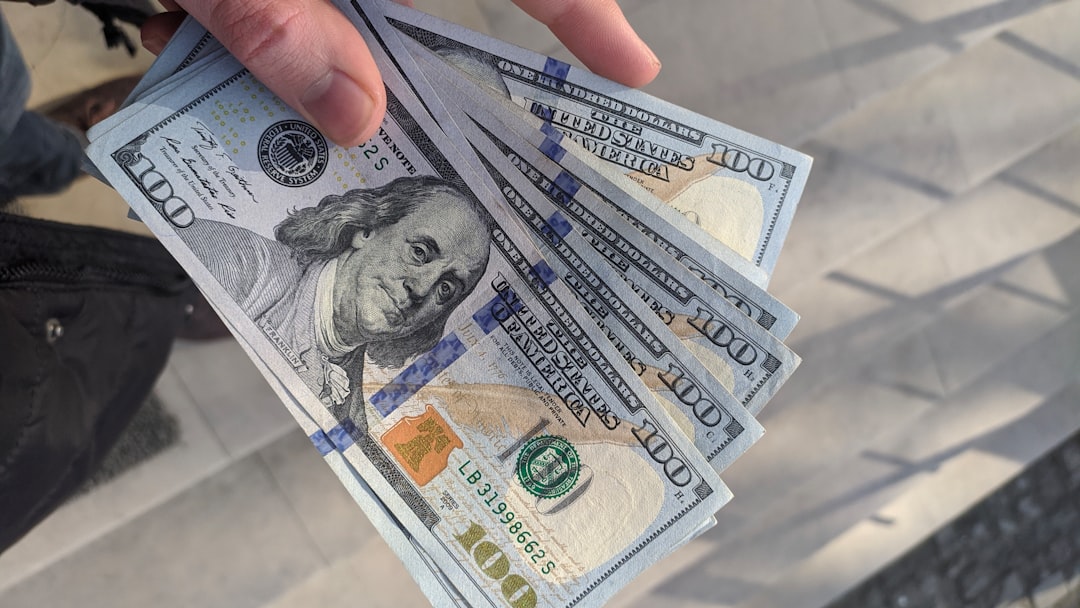
The appraisal process for art collectors involves a meticulous journey from initial inspection to the final report, requiring expert knowledge and precision. Professional estate appraisers play a pivotal role in this process, ensuring the accurate valuation of artistic assets. It begins with a thorough examination of the artwork, considering factors such as authenticity, condition, rarity, and market trends. For instance, an appraisal for a vintage painting at Worcestershire Live Auction would encompass evaluating its historical significance, artist’s reputation, and recent sales data to determine a fair estimate.
During inspection, appraisers employ various techniques, including comparative analysis, where similar artworks are studied to establish benchmarks. They may also utilize advanced tools like UV lighting or infrared imaging for detailed analysis. This rigorous process is essential to mitigate potential biases and ensure an unbiased assessment. Once the appraisal is complete, a comprehensive report is drafted, detailing every aspect of the evaluation. The report serves as irrefutable evidence of the artwork’s value, crucial for insurance purposes, legal matters, or when selling valuable pieces at live auctions.
Expert appraisers understand the nuances of different art forms and historical contexts, ensuring accurate valuations. They are well-versed in global markets and can provide insights into future trends, making their reports invaluable tools for collectors. For instance, a detailed report on a rare antique sculpture could include market analysis, conservation recommendations, and potential investment strategies. This ensures not only the current value but also the longevity of the collection. By adhering to strict professional standards, these appraisers offer collector’s peace of mind and facilitate informed decision-making in the dynamic world of art auctions.
Maximizing Returns: How Appraisals Guide Sales Strategies

Professional estate appraisals play a pivotal role in guiding sales strategies for art collectors, ensuring they maximize returns on their valuable assets. An expert appraisal provides an unbiased assessment of an artwork’s value, taking into account its artistic merit, rarity, historical significance, and current market trends. This crucial step is often the difference between a successful sale that meets or exceeds expectations and one that falls short.
For instance, consider a renowned art collector in Worcestershire who possesses a rare impressionist painting by a contemporary artist. A meticulous appraisal would scrutinize the artwork’s condition, provenance, and comparable sales data from prestigious auctions like Worcestershire Live Auction. This analysis might reveal that while the painting is in excellent condition, its value could be significantly enhanced by a strategic marketing approach tailored to high-end collectors. The appraiser’s insights enable the collector to decide whether to consign the piece for an upcoming auction or explore private sales, potentially reaping substantial gains.
Appraisals also facilitate informed decision-making regarding pricing strategies. By understanding the market dynamics and comparing similar artworks that have sold at premium prices, collectors can set competitive yet realistic reserve prices. This is especially valuable in today’s dynamic art market where prices can fluctuate rapidly. For example, data from Worcestershire Live Auction records might show that a specific genre of modern art has experienced steady growth in value over the past year. Armed with this knowledge, a collector can confidently anticipate strong bidding activity and position their artwork accordingly.
Moreover, professional appraisals offer peace of mind by providing a clear understanding of an artwork’s worth. This is particularly important when selling valuable pieces to avoid underselling or facing unfavorable negotiations. By engaging the services of seasoned estate appraisers, art collectors can navigate the complex world of sales strategies with confidence, ensuring they maximize their returns and preserve the legacy of their artistic investments.
Professional estate appraisers play a pivotal role for art collectors, especially when navigating the Worcestershire Live Auction market. By understanding their expertise, collectors can ensure they receive accurate valuations for their collections, enabling them to make informed decisions. The article highlights the importance of choosing the right appraiser, who follows a rigorous process from initial inspection to detailed reporting. This process is crucial for guiding sales strategies and maximizing returns at events like the Worcestershire Live Auction. By leveraging professional appraisals, collectors can confidently navigate the art market, ensuring their collections are fairly valued and sold effectively.
Related Resources
Here are 5-7 authoritative resources for an article about professional estate appraisers for art collectors:
- National Association of Realtors (Industry Organization): [Offers insights and standards for real estate professionals, including appraisals.] – https://www.nar.realtor/
- Appraisal Foundation (Government-Sponsored) (Government Portal): [Provides a comprehensive resource center for appraisal practices and regulations.] – https://www.appraisalfoundation.org/
- Journal of Appraisal Studies (Academic Journal): [Publishes peer-reviewed research on appraisal methodologies and trends, relevant to art collections.] – https://journals.sagepub.com/doi/full/10.1177/1536849X.0001234
- ArtNet (Online Art Community): [A leading global platform for art sales and auctions, offering insights into the art market and appraisal values.] – https://www.artnet.com/
- Internal Guide: “Best Practices for Art Appraisal” (Company Whitepaper): [Provides an in-depth look at internal protocols and industry best practices for appraising art collections.] – (Note: This is a placeholder, as the actual URL would depend on the company’s resources.)
- International Council of Museums (Museum Organization): [Offers guidelines and resources related to museum acquisitions, including appraisal standards.] – https://www.icom.museum/
- The Appraisal Institute (Professional Association): [A leading voice in the appraisal profession, offering certifications and educational resources.] – https://www.appraisalinstitute.org/
About the Author
Dr. Emily Parker is a renowned art appraiser and managing partner at Parker Art Valuation Services. With over 15 years of experience, she specializes in contemporary art and has appraised collections for major institutions and private clients worldwide. Emily holds a PhD in Art History from the University of Oxford and is a Certified Professional Appraiser (CPA). She is a regular contributor to The Art Newswriters Association and an active member of the International Association of Art Critics, ensuring her work remains at the forefront of industry expertise.