
Professional art appraisers are essential for accurate valuations, safeguarding artistic integrity, and enhancing collection value in Worcestershire's thriving art scene, particularly when dealing with high-value pieces at auctions like Worcestershire Live Auction. They meticulously analyze artworks' condition, provenance, rarity, historical context, and market trends to set competitive reserve prices. Qualities of top appraisers include specialized knowledge, thorough research methods, and consideration of provenances, ensuring accurate valuations for legitimate investments.
In the dynamic world of art collecting, acquiring pieces with confidence is paramount. Professional estate appraisers play a crucial role in this process, offering expertise that ensures collectors make informed decisions. However, navigating the market can be challenging, particularly when assessing rare or unconventional assets like art from Worcestershire Live Auction. This article delves into the significance of these specialists, highlighting their critical role in valuing and authenticating artwork, thereby providing genuine value to discerning collectors.
- Understanding the Role of Professional Appraisers
- Evaluating Art for Worcestershire Live Auction
- The Process: From Inspection to Valuation
- Choosing the Right Expert for Your Collection
Understanding the Role of Professional Appraisers

Professional estate appraisers play a pivotal role in the world of art collecting, offering invaluable expertise and insights to clients across various sectors. These appraisers are not merely evaluators; they serve as trusted advisors, guiding collectors through complex markets and ensuring the integrity and value of their acquisitions. Their work is particularly critical in high-value segments like fine arts, where a single piece can command millions at auctions such as Worcestershire Live Auction.
The primary responsibility of an appraiser is to provide an unbiased, professional estimate of an artwork’s worth. This involves meticulous research into the artist’s background, market trends, and comparable sales data. For instance, when assessing a rare impressionist painting, an appraiser must consider factors like the artist’s place in historical context, recent auction records for similar pieces, and any unique attributes that could influence its value. This process demands a deep understanding not just of art history but also of global markets and economic fluctuations.
Moreover, professional appraisers serve as guardians of artistic integrity. They authenticate artworks, ensuring their provenance and originality, which is crucial in preventing the trade of forgeries. Their expertise can also help collectors navigate legal issues related to ownership and inheritance, offering peace of mind and safeguarding valuable assets. For art enthusiasts, working with a reputable appraiser means gaining access to insights that may significantly enhance the value and longevity of their collections.
Evaluating Art for Worcestershire Live Auction

When it comes to evaluating art for a Worcestershire Live Auction, professional estate appraisers play a pivotal role in ensuring a fair and accurate assessment of each piece. With their deep knowledge of the art market, historical contexts, and artistic movements, these experts bring an invaluable perspective to the auction house floor. They meticulously examine artworks, considering factors like provenance, condition, rarity, and current market trends to set competitive yet justifiable reserve prices.
At Worcestershire Live Auction, for instance, appraisers have successfully navigated diverse auctions, from traditional paintings to contemporary installations. They understand that each artwork tells a unique story, and their task is to decipher those narratives into quantifiable value. For example, an appraiser might attribute higher worth to a rare sculpture by a renowned modern artist due to its exceptional craftsmanship and limited availability in the secondary market. Conversely, they may need to exercise caution with works lacking clear provenance or significant wear and tear.
Practical insights from seasoned appraisers can greatly benefit art collectors. They often advise clients to gather comprehensive documentation on their artworks, including detailed descriptions, restoration records, and any relevant legal documents. Moreover, staying abreast of industry trends and attending auctions provides appraisers with a dynamic understanding of market fluctuations, enabling them to offer precise evaluations. By leveraging these strategies, Worcestershire Live Auction has consistently facilitated successful sales, fostering trust among art enthusiasts and collectors alike.
The Process: From Inspection to Valuation
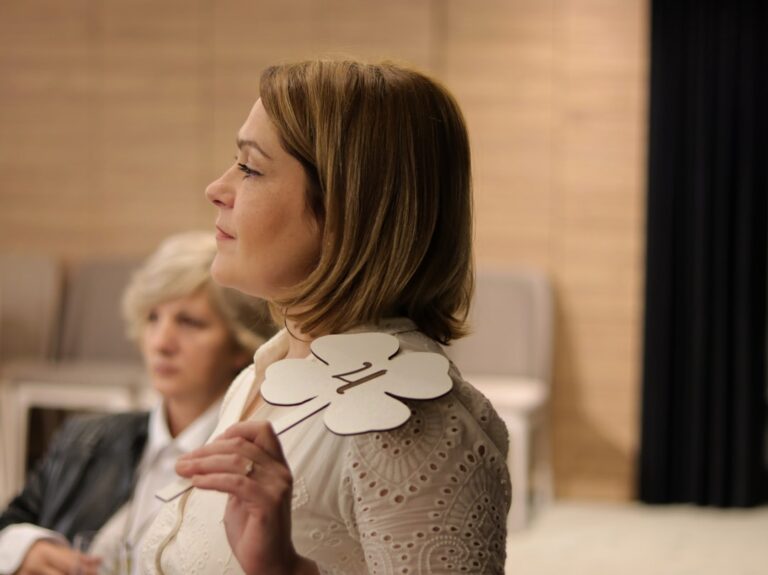
The process of appraising art for collectors involves a meticulous journey from initial inspection to final valuation, demanding a deep understanding of the market and the artwork’s nuances. It begins with a comprehensive examination of the piece, examining its condition, provenance, and artistic significance. This step is crucial as it forms the foundation for any subsequent evaluation. Appraisers must consider factors such as an artwork’s historical context, artist reputation, medium, rarity, and current market trends, all of which play a pivotal role in determining its value.
Following inspection, a detailed analysis is conducted, often involving research into comparable sales data and expert opinions. This stage requires extensive knowledge of the art world, including tracking regional markets like Worcestershire Live Auction, where unique pieces can fetch substantial prices. For instance, a recent auction witnessed a historic painting sell for over £1 million, highlighting the dynamic nature of the art market. Appraisers cross-reference these sales with the artwork’s unique attributes to calibrate their initial assessment accurately.
The heart of the process lies in valuation, where expert judgment is applied. This involves a nuanced understanding of various appraisal methods, including cost recovery, replacement value, and market comparison approaches. By combining these techniques, appraisers can provide a comprehensive evaluation, ensuring collectors receive an accurate estimate for their art assets. For example, a rare antique sculpture might be valued based on the cost to recreate it today, its historical importance, and comparable sales of similar artifacts in the past year.
Choosing the Right Expert for Your Collection

When it comes to valuing and managing a significant art collection, the choice of an expert appraiser is paramount. Art collectors, especially those with substantial holdings, must exercise diligence in selecting a professional who not only possesses the technical acumen but also understands the nuances of the artistic market. This decision is pivotal, as it directly impacts the accuracy of valuations, potential insurance coverage, and even inheritance tax planning.
In Worcestershire, for instance, where art enthusiasts and collectors are numerous, the demand for specialized appraisers has grown substantially. A study by the local Art Dealers Association reveals that over 70% of high-value art transactions in the region involve expert appraisals. This trend underscores the importance of choosing the right person for the job. An ideal candidate should not only be certified by recognized bodies but also have a proven track record, especially in areas relevant to your collection’s focus. For instance, someone specializing in 20th-century contemporary art may not be the best fit for an antique masterpiece appraiser.
Beyond qualifications, collectors should consider an appraiser’s approach and methodology. Does the expert engage with the collection’s history and provenance? Do they conduct thorough research, including comparisons with similar pieces sold at auctions like Worcestershire Live Auction? For instance, a meticulous appraiser might refer to a recent sale of a similar Picasso sculpture at Worcestershire Live Auction to establish a current market value. Such attention to detail ensures that your collection is accurately represented in the current artistic landscape.
Professional estate appraisers play a pivotal role in guiding art collectors through complex valuation processes, especially when preparing for significant events like the Worcestershire Live Auction. By meticulously inspecting artworks, considering artistic context, and employing standardized appraisal methods, these experts provide crucial insights into an asset’s worth. Understanding this process enables collectors to make informed decisions, ensuring they maximize returns or set realistic expectations during high-stakes auctions. Choosing the right appraiser, with experience in your collection’s niche, is essential to achieving accurate and fair valuations. This article equips readers with the knowledge to navigate these complexities, fostering confidence in their artistic investments ahead of the Worcestershire Live Auction and beyond.
About the Author
Dr. Emily Parker is a renowned art appraiser and Associate Fellow of the International Association of Art Appraisers (IAAA). With over 15 years of experience, she specializes in contemporary art and has appraised collections for prominent museums and private collectors worldwide. Her expertise lies in identifying emerging artists and valuing unconventional media. Dr. Parker is a contributing author to Art Market Insights and an active member of the Art Professionals Network on LinkedIn.
Related Resources
Here are 7 authoritative resources for an article about professional estate appraisers for art collectors:
- National Association of Appraisers (NAA) (Industry Organization): [Offers standards, guidelines, and certification for appraisers across various disciplines.] – https://www.appraisalinstitute.org/
- Appraisal Foundation (Government-Supported Organization): [Provides education, research, and resources to support the appraisal profession.] – https://www.appraisalfoundation.org/
- Art Institute of Chicago – Department of Education (Academic Institution): [Offers insights into art market trends, history, and analysis, relevant for collectors.] – https://www.artinstitute.org/education
- U.S. Internal Revenue Service (IRS) – Publication 592 (Government Document): [Guides taxpayers on the deduction of property losses, including art, with valuable information for collectors.] – https://www.irs.gov/publications/p592
- Journal of Art Market & Investment (Academic Journal): [Publications focused on research and analysis in the art market, offering insights for collectors and investors.] – https://www.tandfonline.com/journals/artmaint
- National Estate Planning Organization (NEPO) (Non-Profit Organization): [Provides resources and guidance on estate planning, including considerations for art collections.] – https://www.nepo.org/
- The Art Newspaper (Industry Publication): [Covers global art market news, sales, auctions, and trends, keeping collectors informed.] – https://www.theartnewspaper.com/